Nervous System Benefits of Each Amenity
Spa Circuit Guide
This guide is also included in your printed Integration Workbook. Use it to move through the spa with intention, understanding what each space offers your nervous system.
Séc-he's wellness experts will help guide you through the circuit best suited to your needs. There is no single correct order. The traditional hydrotherapy practice of cycling between warm, hot, and cold has been used for centuries across cultures, but the best circuit is the one your body is asking for that day.
Private Mineral Baths
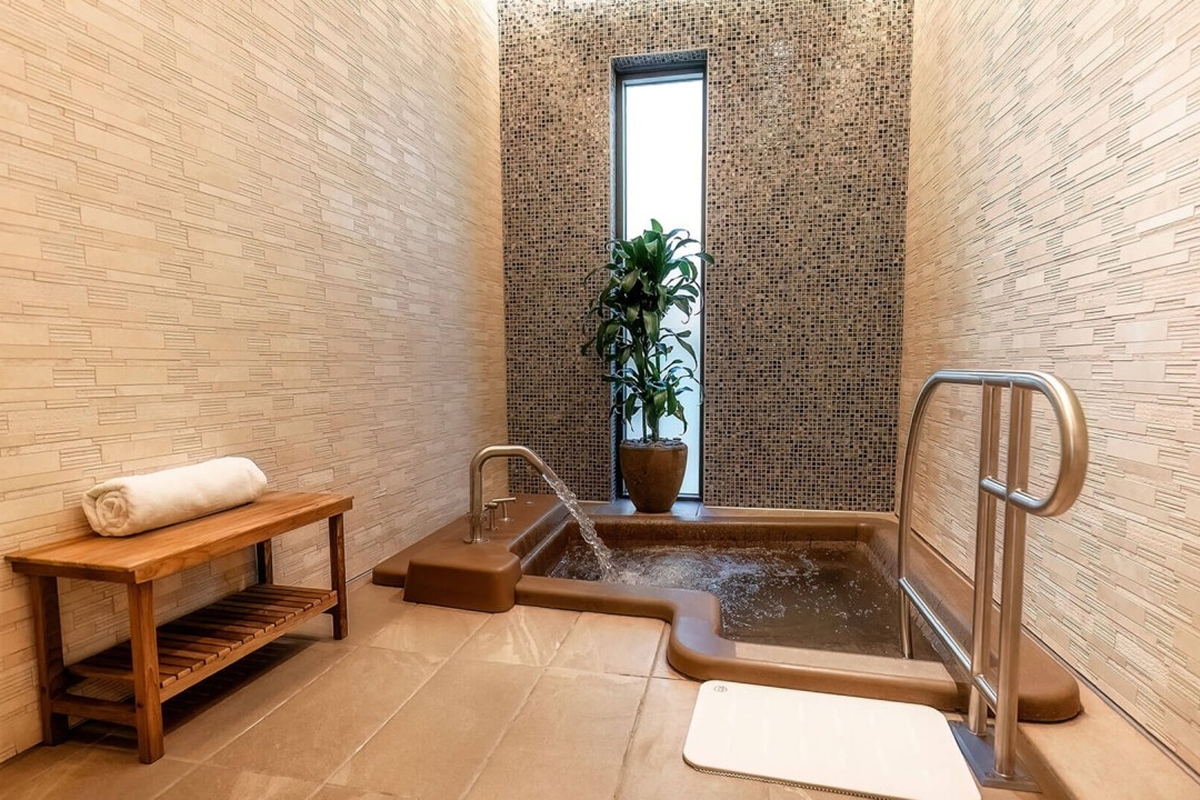
Private Mineral Baths
The 12,000-year-old mineral water is rich in calcium, magnesium, and sodium. Soaking supports muscle recovery, reduces cortisol, and activates the parasympathetic nervous system. Mineral-rich soaking can be deeply regulating for the nervous system.
Tip: Start here. 15 to 20 minutes. Let the warmth do the work.
Circulation & Gentle Stimulation
Whirlpools
The jets provide gentle hydrotherapy that improves blood flow and lymphatic drainage without requiring effort. For overstimulated nervous systems, the consistent sensory input can actually be regulating.
Tip: Good transition between mineral baths and other amenities.
Clarity & Respiratory Calm
Salt Caves
Halotherapy (salt air therapy) supports respiratory health and has been shown to reduce inflammation. The quiet, enclosed space also provides a low-stimulation environment that many neurodivergent folks find deeply calming.
Tip: Bring your journal. The quiet here is different.
Release & Detoxification
Steam Room
Heat and humidity open airways, relax muscles, and support the body in releasing tension held in connective tissue. Steam rooms can help move stuck energy and emotion through the body.
Tip: 10 to 15 minutes. Follow with cool water.
Resilience & Heat Adaptation
Sauna
Dry heat activates heat shock proteins that support cellular repair. Regular sauna use is linked to improved cardiovascular health and reduced stress hormones. For nervous system recovery, it trains the body to tolerate and recover from controlled stress.
Tip: Shorter sessions (8 to 12 minutes) are enough.
Resilience & Vagal Tone
Cold Plunge
Cold exposure activates the vagus nerve and triggers a norepinephrine release that improves mood and alertness. It builds distress tolerance and trains the nervous system to recover quickly from activation. This is integration in action.
Tip: If a plunge is not right for you, you can play with cold exposure on your hands or face, or skip it altogether.
Rest & Integration
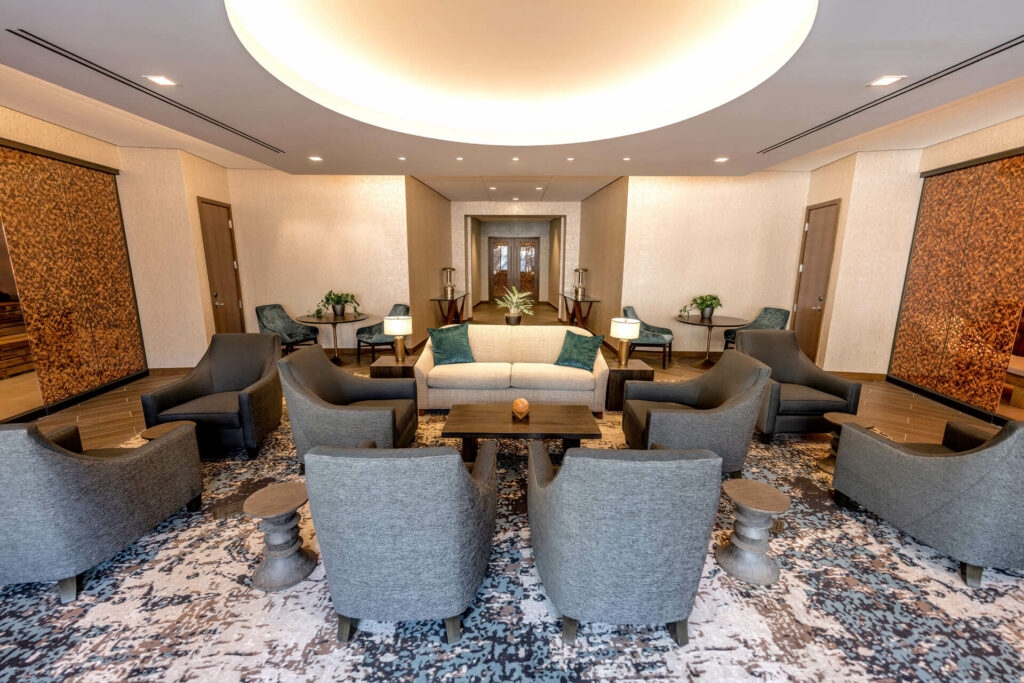
Relaxation Lounges
Sometimes the most powerful thing you can do is nothing. The lounges provide a space to rest between amenities, journal, or simply be still. Integration happens in the pauses.
Tip: Use your energy level badge so staff and our group know your capacity. Green, yellow, or red.
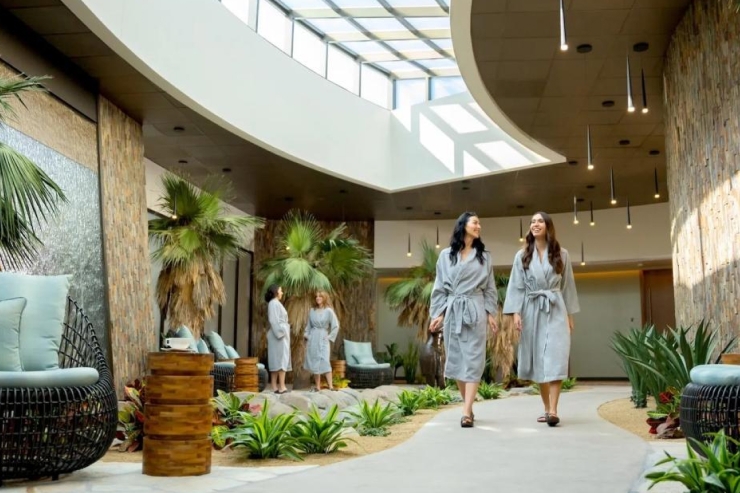
Move between spaces based on what your body is asking for. Your energy level badge lets staff and others in our group know your capacity without having to explain.
Green: open to connection. Yellow: selective. Red: quiet time please.