Working with Clients at Midlife and
Beyond: December 11, 2026
The Challenges of Gray Divorce, ADHD and Perimenopause, and Sexuality Through Menopause
Working with Clients at Midlife and Beyond:
The Challenges of Gray Divorce,
ADHD and Perimenopause,
and Sexuality Through Menopause
3 CE In-Person Workshop
Friday, December 11, 2026
9am-12:15pm ET
At Healing Hearts Wellness:
967 E. Swedesford Rd, Suite 100B
Exton, PA
(Next to Home of the Sparrow)
by Wanderhome Retreats
This 3 hour course explores working with women dealing with the challenges of divorce in midlife, late in life ADHD diagnosis that coincides with peri/menopause, and menopause and sex.
3 CEs through ASWB
Friday, December 11, 2026 9am-12:15pm ET
In-person in Exton, PA 30 max
Linda Hershman: Gray divorce and relational transition
Kanjana Hartshorne: Late-identified ADHD in perimenopause and menopause
Annarose Stewart: Sexuality and intimacy at midlife
Detailed Description:
Midlife can bring overlapping changes in relationships, identity, cognition, executive functioning, hormones, and sexuality. When these concerns are treated as isolated problems, clinicians may miss the larger context shaping a client’s distress, choices, and sense of self. This three-hour continuing education program gives mental health professionals an integrated, culturally responsive framework for supporting women and other adults navigating three frequently misunderstood areas of midlife clinical care: gray divorce, ADHD during the menopausal transition, and sexuality during and after menopause.
Linda Hershman will examine the distinct reasons, challenges, and potential opportunities associated with divorce after age 50. Her section will address work with individuals and couples who are deciding whether to stay or leave, the experiences of adult children of divorce, and the ways culture, sexual orientation, relationship structure, and access to financial or community resources can shape later-life separation.
Kanjana Hartshorne will explore why ADHD in women and AFAB adults is frequently missed until midlife and how perimenopausal changes may intensify or reveal longstanding difficulties with attention, executive functioning, emotional regulation, sleep, and memory. Participants will learn developmentally informed and culturally humble strategies for distinguishing ADHD patterns from overlapping menopausal, mood, anxiety, and burnout presentations, while supporting the grief, relief, anger, and identity reconstruction that may follow later diagnosis.
Annarose Stewart’s proposed section will address menopause and sexuality through a biopsychosocial, relational, and affirming lens. Research shows that sexual dysfunction increases with age, but this does not reflect people’s desire for sex. In fact, desire for a thriving sex life has no bearing on age, dysfunction, or disability. In this presentation, clinicians will learn how hormone changes in the transition to menopause affect women’s sex lives and how to support clients in navigating these challenges. Clinicians will learn when to refer clients to urologists, or gynecologists, or other qualified providers, and how to support clients in identifying and advocating for care, communication, and consideration that align with their goals
Across all three sections, participants will strengthen their ability to recognize intersecting concerns, reduce diagnostic overshadowing, and offer practical support that honors each client’s culture, relationships, body, neurotype, agency, and evolving priorities.
Date and Time:
Friday, December 11, 2026 9am-12:15pm ET
Schedule:
8:45 Arrival to Exton office (Please make sure your GPS says EAST Swedesford and confirm it is next to Home of the Sparrow, not the Exton mall or mattress factory, before you leave. Folks often end up at 967 west, which is about 10 minutes from us.
CEs:
ACE statement: Wanderhome Retreats, 2794, is approved as an ACE provider to offer social work continuing education by the Association of Social Work Boards (ASWB) Approved Continuing Education (ACE) program. Regulatory boards are the final authority on courses accepted for continuing education credit. ACE provider approval period: 6/26/26-6/26/27. Social workers completing this course receive 3 clinical continuing education credits.
Learning Objectives
At the conclusion of this program, participants will be able to:
- 1. Identify at least three factors contributing to gray divorce and at least two clinical considerations affecting later-life divorcing clients, their partners, or their adult children.
- 2. Differentiate at least three indicators of longstanding ADHD from overlapping cognitive, emotional, sleep-related, and executive-function concerns that may emerge or intensify during perimenopause and menopause.
- 3. Apply at least two culturally responsive assessment strategies that account for masking, diagnostic overshadowing, racial and gender disparities, sexual orientation, relationship structure, and unequal access to financial, medical, or community resources.
- 4. Identify at least three biopsychosocial or relational factors that may affect sexuality during and after menopause, and formulate two affirming clinical questions for discussing desire, comfort, communication, identity, or intimacy without assumption or shame.
- 5. Develop an integrated support plan that includes at least two appropriate therapeutic interventions and one collaborative referral consideration for a midlife client experiencing intersecting relationship, neurodivergence, hormonal-transition, or sexual-wellness concerns.


"Kanjana is so knowledgeable and so engaging! I thoroughly enjoyed how informative and interactive her somatic workshop training for mom rage was and look forward to more opportunities to learn from her!"
Linda- have any testimonials we can put here? Need name of reviewer and job title if you have it.

"Attended the mom rage workshop. It was so interesting and gave helpful interventions for my clients."

Kanjana Hartshorne
Hi! I am Kanjana, LCSW, C IAYT yoga therapist, Reiki Master, and creator of Wanderhome. I create embodied, ND affirming spaces where therapists and healers can learn, rest, play, be themselves, and find their people through somatic and creative practices, yoga therapy, energy work, spiritual and ancestral practices, social events, unique CEs, retreats, and a therapist community that feels like home. I'm so glad you're here and hope you can join us soon!

Annarose Stewart
Annarose is a Licensed Social Worker (LSW) offering therapy in Philadelphia and virtually across Pennsylvania. She believes our struggles don’t exist in a vacuum- our relationships, identities, and nervous systems are shaped by the larger systems around us. In therapy, Annarose creates a warm, non-judgmental space where clients can explore how personal patterns have been shaped by family, culture, and society, while learning to meet themselves with compassion and curiosity.
Annarose uses somatic therapy techniques alongside Cognitive Behavioral Therapy (CBT), Emotionally Focused Therapy (EFT), and parts work to help clients better understand the patterns of thoughts, feelings, and behaviors that impact their lives and relationships. She supports clients in building new internal pathways, strengthening emotional resilience, and restoring trust in themselves and their bodies.
She specializes in sex and relationship therapy, identity exploration, body image and disordered eating, anxiety and depression, grief, and chronic pain or chronic illness. Annarose is especially affirming of LGBTQIA+ and polyamorous individuals and couples, and she enjoys working with people navigating life transitions, relationship changes, and questions of meaning and identity.
Annarose approaches her work through an anti-colonial, anti-racist, and social-justice-informed lens, with attention to how white supremacy, capitalism, and the romance myth can shape self-worth, attachment, and our ability to cope. She is deeply committed to ongoing learning, reflection, and growth- both personally and clinically.
In your work together, Annarose will invite you to relate to your life, body, and identity with greater compassion, curiosity, and creativity. Therapy with Annarose is a collaborative space to reconnect with your values, listen to the wisdom of your body, and begin building a life that feels more aligned, grounded, and authentic.
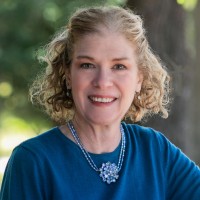
Linda Hershman
Linda Hershman is a Licensed Marriage and Family Therapist and an American Association of Marriage and Family Therapists Approved Supervisor. She has been in practice for more than 30 years. She is the owner of the Couples and Family Wellness Center, a group practice located in suburban Philadelphia.
Linda’s book, “Gray Divorce: Everything You Need to Know About Later-Life Breakups” is the first systemic, comprehensive, culturally-competent work on the subject of breaking up after age 50 and offers help with navigating the emotional, financial, legal, and parenting impacts of later-life divorce.
Linda presents nationally and internationally, and is a frequent podcast guest. She has been interviewed by the New York Times and Woman's World Magazine, among other publications, as an expert on later-life marriage and divorce.
Title: Reclaiming Rage: A Yoga Therapy + Maternal Mental Health Event for Clinicians & Care Workers
Date: 10/19/2026
10am-1:00 Program
Detailed Schedule Below
3 CEs Total
Registration deadline is 10/18/2026.
Delivery Method: This course is a format of live, virtual, synchronous interactive learning. It will be available as a recording afterwards. As such, by attending the live training, you agree to be recorded and for that recording to be posted here on Wanderhome Retreats for others to obtain self-study CEs.
Description: See above
Learning Objectives: See above
Target Audience: Therapists, Licensed Clinical Social Workers, Licensed Professional Counselors, Licensed Marriage and Family Therapists, Any Professional Working with Mothers
Annarose, Stewart, LSW
Wanderhome Retreats is the educational arm of Healing Hearts Wellness, LLC.