Pressure, Perfectionism and
Performance in Student-Athletes:
Nov 9, 2026
for Clinicians, Educators, and/or other Supportive Adults
Pressure, Perfectionism, and Performance in Student-Athletes:
For Clinicians, Educators, or Other Supportive Adults
2 CE Workshop Through ASWB
by Caitlyn Mitros, M.S., LAPC.
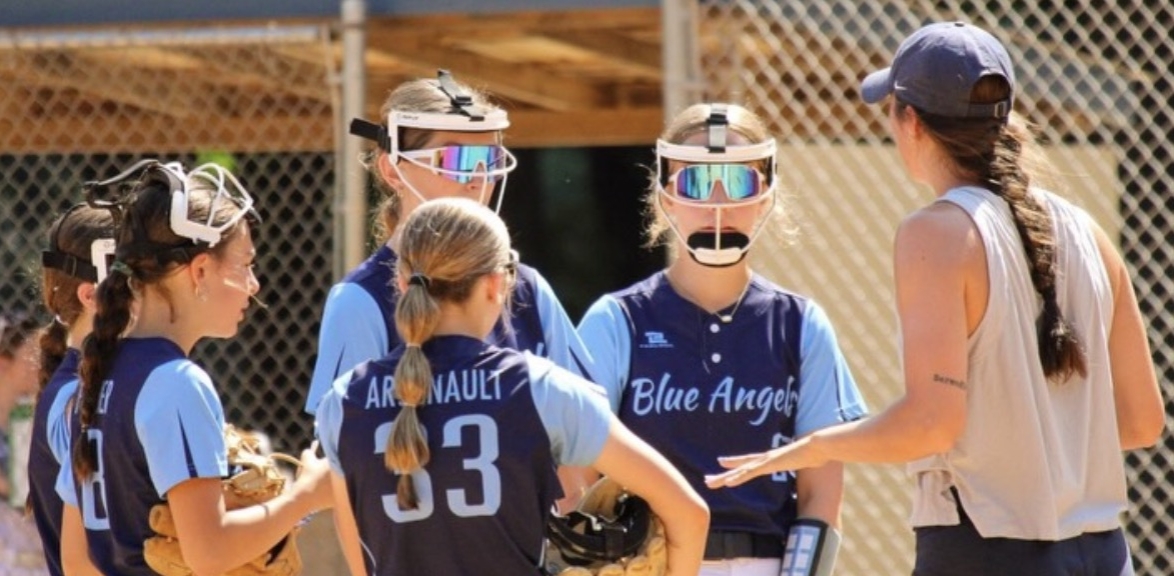
Pressure, Perfectionism and Performance starts the conversation about navigating the complex intersection of being a student-athlete. This 2-hour CE workshop explores the high-pressure world of student-athletes through the combined lenses of mental performance and somatic clinical interventions. Participants will build a deeper understanding of the unique student-athlete experience while learning and practicing concrete skills and somatic interventions they can take home.
Detailed Description:
Student-Athlete Burnout, Pressure, and Stigma is continuing to build as a critical presenting issue in youth and adolescent populations where overall perfectionism affects an estimated 25% to 30% of children and teens (Flett, G. L., et al., Journal of Psychoeducational Assessment, Vol. 34, No. 7, 2016). In this workshop, the clinical implications of high-performance pressure and evidence-based interventions to support student-athletes will be discussed. In this workshop, we look closely at why so many young athletes burn out, quit, or lose themselves in their sport.
The reality is stark: while over 60 million kids play organized sports, a staggering 70% drop out by age 13 (Brenner & Watson, 2024), often driven away by overwhelming pressure and toxic perfectionism. Research breaks perfectionism down into three main types: the pressure kids place on themselves, the expectations they feel from others, and the high standards they project onto teammates (Curran & Hill, 2019). Together, we’ll explore how this constant strain shapes an athlete's identity and feeds performance anxiety.
You'll learn how to spot the early warning signs of distress (like fear of failure and physical burnout) while examining how parental, coach, and societal expectations impact the young athletes in your life. Grounded in real science, this workshop gives you practical tools to help student-athletes navigate high pressure. Research shows that self-compassion is one of the strongest drivers of resilience—helping kids shift from self-criticism to healthy coping strategies like positive reframing and practical problem-solving (Ewert et al., 2021). By combining cognitive techniques with body-based clinical strategies, our compassion-focused model helps athletes separate their self-worth from their stats. As pioneers in the field like Paul Gilbert and Kristin Neff have shown, teaching athletes to treat themselves with warmth and understanding—rather than harsh judgment—isn't "soft." It’s the key to reducing perfectionism, handling stress, and actually playing better.
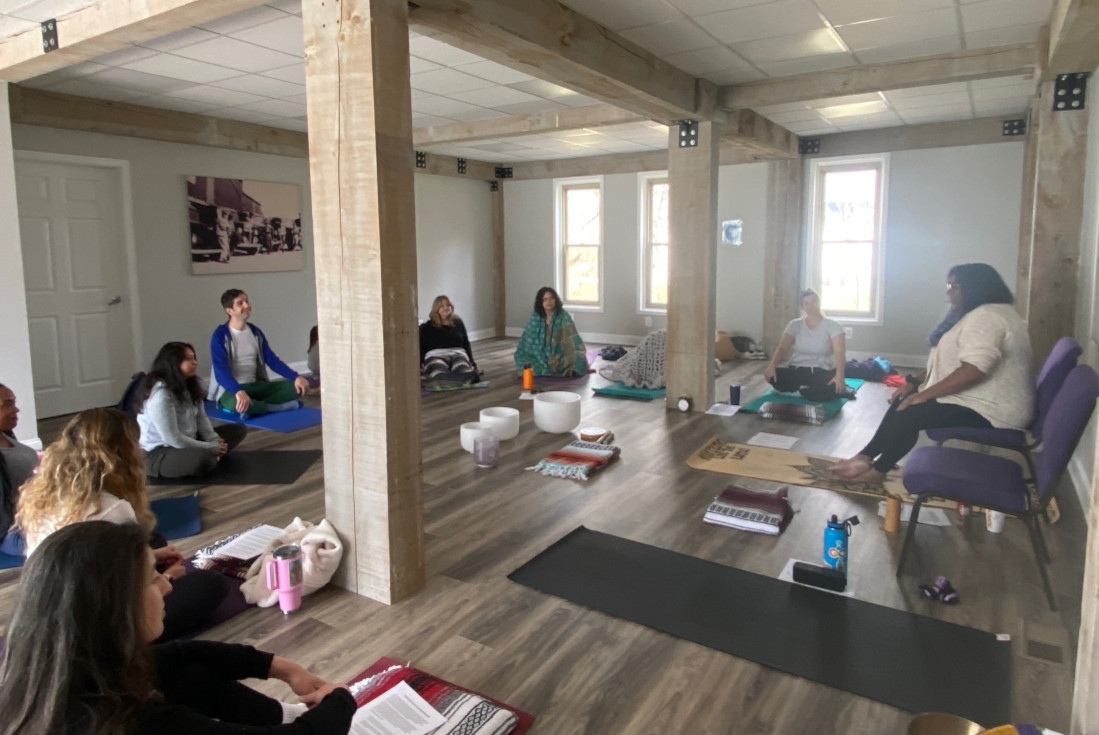
This workshop features an experiential segment focused on somatic interventions as a tool for nervous system regulation and healing. Rather than reinforcing the achievement-oriented environment or suppressing high-pressure anxiety and anger, participants will learn how to support their athletes to build resilience and restore emotional control. Strategies will focus on what to do when intense performance stress strikes, reclaiming nervous system stability, and building preventative somatic care into daily routines. Participants will leave with hands-on approaches, practical tools, and resources you can actually use after the workshop, making it easier to take what we discuss and bring it into your everyday work with student-athletes. Attendees will leave the session with an actionable toolkit for supporting their student-athlete clients. This engaging and informative workshop bridges the gap between sports psychology concepts and clinical practice, empowering supportive adults to confidently navigate the unique complexities of this population. Most importantly, the goal is to help young people learn that they can strive for excellence without feeling like they have to be perfect. I believe we can support student-athletes in striving for excellence while also helping them feel safe enough to make mistakes, struggle, grow, and simply be human.
Date and Time:
Monday, November 9, 2026 7:00 pm - 9:00 pm ET
Schedule:
6:50 pm Arrival to Zoom Room (Please make sure your Zoom is updated before logging on.)
7:00-7:10 pm Introductions
7:10- 8:10 pm Perfectionism, Pressure, and Performance Concepts
8:10-8:15 pm Break
8:15-8:45 pm Regulation Review and Practice
8:45-9:00 pm Q&A
CEs:
ACE statement: Wanderhome Retreats, 2794, is approved as an ACE provider to offer social work continuing education by the Association of Social Work Boards (ASWB) Approved Continuing Education (ACE) program. Regulatory boards are the final authority on courses accepted for continuing education credit. ACE provider approval period: 6/26/26-6/26/27. Social workers completing this course receive 2 clinical continuing education credits.
Learning Objectives
✔️Define Perfectionism and explore current research findings.
✔️Understand the developmental stages of perfectionism from youth to adolescence.
"It was really interesting. My team and I enjoyed it!"
"Caitlyn's mental sessions help our players navigate the highs and lows while empowering them to become confident in their immediate and future actions."

Kanjana Hartshorne
Hi! I am Kanjana, LCSW, C IAYT yoga therapist, Reiki Master, and creator of Wanderhome. I create embodied, ND affirming spaces where therapists and healers can learn, rest, play, be themselves, and find their people through somatic and creative practices, yoga therapy, energy work, spiritual and ancestral practices, social events, unique CEs, retreats, and a therapist community that feels like home. I'm so glad you're here and hope you can join us soon!

Caitlyn Mitros
Hi! I’m Caitlyn, a master’s-level clinician working toward licensure in Pennsylvania. I believe therapy should feel like a collaborative, compassionate space where you are welcomed exactly as you are. Through a gentle, trauma-informed, and neurodiversity-affirmative lens, I walk alongside my clients to honor their agency and build on the strengths they already carry. My practice bridges mind and body—blending client-centered principles, ACT, mental performance strategies, and compassion-focused interventions with breathwork, gentle movement, and other somatic techniques tailored to your unique rhythm. Whether you are navigating high-pressure achievement or seeking personal balance, I'm here to offer a warm, empowering space where you can feel seen, heard, and supported.
Title: Pressure, Perfectionism, and Performance in Student-Athletes Rage: for Clinicians, Educators, and Other Supportive Adults
Date: 11/09/2026
7:00 pm - 9:00 pm ET Program
Detailed Schedule Below
2 CEs Total
Registration deadline is 11/08/2026.
Delivery Method: This course is a format of live, virtual, synchronous, interactive learning. It will be available as a recording afterwards. As such, by attending the live training, you agree to be recorded and for that recording to be posted here on Wanderhome Retreats for others to obtain self-study CEs.
Description: See above
Learning Objectives: See above
Target Audience: Therapists, Licensed Clinical Social Workers, Licensed Professional Counselors, Coaches, School Counselors, Any Professional Working with Student-Athletes
7:10-8:10 pm Perfectionism, Pressure, and Performance Concepts
Break: 5 minutes, 8:10 - 8:15 pm
20 minutes of lecture time 8:15 - 8:35 pm
10 minutes of practice time 8:35- 8:45 pm
Wanderhome Retreats is the educational arm of Healing Hearts Wellness, LLC.